
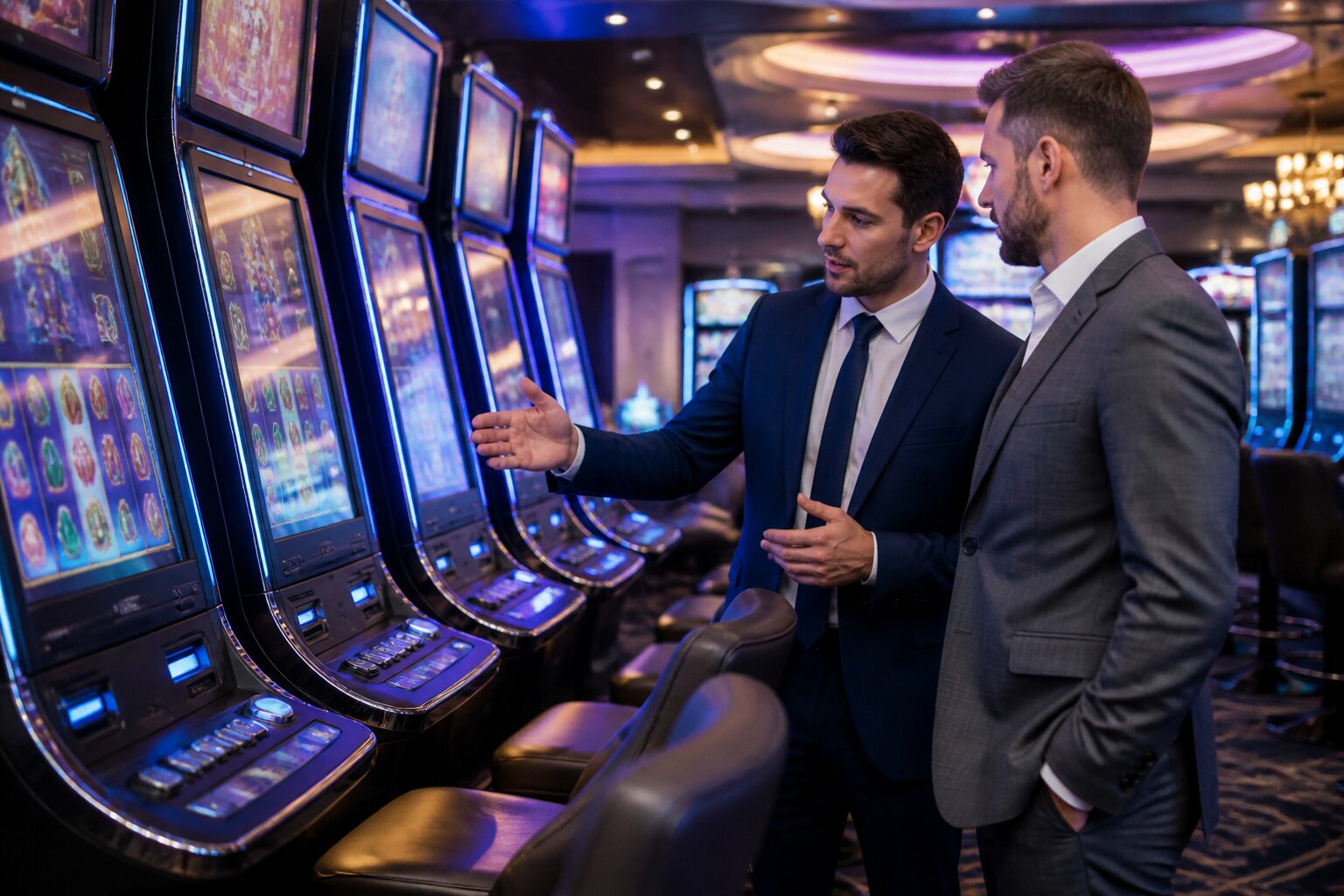
Ever wondered what it costs to own or hire a real slot machine? Whether for a private collection, a pub, or a commercial venue, prices vary a lot depending on style and specifications.
This guide explains the factors that shape those prices, compares buying and renting, and outlines ongoing costs so you can make a clear, informed choice.
Read on to see what to expect at each price point and how to balance budget, features and compliance.
What Affects the Price of Slot Machines?
Several factors determine how much a slot machine will cost. These are the main drivers to consider before you commit.
1. Type of Machine
Classic machines with physical reels are usually less expensive than modern video-based models that include high-resolution graphics and complex audio.
Machines tied to licensed themes or well-known brands often carry higher prices because licensing fees and bespoke artwork add to the production cost. The overall cabinet design and build quality also play a part: premium cabinets with durable materials tend to cost more.
2. Age and Condition
New, factory-sealed machines command premium prices and typically come with full manufacturer warranties and support.
Refurbished or second-hand units can be much cheaper, but they may show wear, use older technology or have limited warranty coverage. Availability of spare parts and the machine’s service history can affect long-term value and maintenance costs.
3. Technology and Features
Advanced hardware and software features increase the price. Examples include:
- Touchscreens and upgraded player interfaces
- Ticket-in/ticket-out systems and cashless payment options
- Progressive jackpot linkage and networked play
- Custom lighting, surround sound and enhanced cabinet finishing
Simpler cabinets without these extras are the more affordable option, and can be easier and cheaper to maintain.
4. Compliance and Safety
Machines supplied with recent testing, certification and conformity documentation typically cost more, reflecting the expense of meeting regulatory standards and ongoing inspections.
Buyers should consider whether machines include up-to-date safety features, tamper-evident seals and traceable test reports. Choosing equipment with current compliance paperwork can reduce the risk of additional expense when deploying or reselling the machine.
These factors describe market value, not the machine’s payout characteristics. All machines used in licensed venues must meet the same legal standards for randomness, fairness and published return-to-player rules.
Buying vs Renting Slot Machines: Which Is Better?
Choosing between buying and renting depends on your goals and how you plan to use the machines. There is no one-size-fits-all answer; consider your budget, how long you expect to keep a machine and how much control you want over its day-to-day operation.
Buying
Purchasing gives you direct control over several important aspects of ownership:
- maintenance schedules and who carries out the work
- placement within your venue and how machines are arranged
- hardware and software upgrades and what is installed
It can be more economical over many years since there are no ongoing rental fees, and you benefit from any residual value if you sell the machine later. However, ownership also means you take on the ongoing costs and responsibilities, including:
- repair bills and parts replacement
- software updates and licence renewals
- ensuring the machine remains compliant with regulations and record-keeping
Buying is often preferred by operators who plan to keep machines in place for a long period, or who want complete control over branding and customisation.
Renting
Hiring machines reduces the initial capital outlay and usually includes a range of services in the rental agreement:
- routine maintenance and fault response
- regulatory checks and certification where applicable
- the ability to swap or upgrade machines during the hire term
This approach can suit venues that want to rotate machines regularly, trial different models or avoid the administrative burden of ownership. On the other hand, rental payments accumulate over time and may be costlier in the long run. Additional considerations include:
- potential restrictions on how you can modify or locate the machine
- minimum contract lengths and any penalties for early termination
- whether consumables and software support are fully included or charged extra
Think about turnover, available floor space and how often you will change machines when weighing these options. For many operators, matching the contract terms to anticipated usage and cash flow is the deciding factor.
Where Can You Buy or Rent Slot Machines in the UK?
There are specialist suppliers and brokers that focus on supplying compliant gaming machines to licensed venues. These firms typically deal in both new and refurbished machines and can offer a range of models suitable for different venue sizes and customer profiles. When sourcing a machine, prioritise suppliers who provide full testing documentation and clear evidence of regulatory compliance.
You should also be aware that operating machines in a public setting requires the correct licences and that machines must be registered and regularly tested. Check that you and your venue hold the appropriate permissions and that the supplier can confirm the machine’s status with the relevant authorities.
Key points to check with suppliers include:
- that the machine is covered by the necessary licences and certifications,
- that it has been registered where required,
- that it comes with recent testing and calibration records,
- that there is a schedule and evidence of regular testing.
Make sure any supplier can demonstrate that their equipment meets the relevant standards and can produce traceable documentation. Reputable suppliers will often provide warranties, maintenance agreements, and spare parts provision to support ongoing operation.
If you are unsure about licensing or technical requirements, a reputable supplier will assist with paperwork and provide support for inspections and ongoing compliance. They should be willing to explain what records you must keep, how often tests are required, and who is responsible for each compliance task. Where appropriate, ask for references from other licensed venues to confirm the supplier’s reliability and aftercare.
Types of Slot Machines and Their Price Ranges
Different machine types suit different venues and budgets. Below are the most common categories and their typical price ranges.
Mechanical Reels
Traditional physical-reel machines are less common but remain available. Refurbished units can start around £1,000, while new units cost more depending on finish and feature set.
These machines tend to appeal to venues seeking a nostalgic look or a simpler maintenance profile. They can be heavier and take up more floor space than modern cabinets, so check dimensions and delivery requirements before purchase.
Video Slots
Modern video slots use screens and often include more elaborate animations and bonus mechanics. New video machines commonly sit between £2,500 and £7,000, with higher-spec models at the top end.
Video cabinets often offer more customisation, networking options and remote updates. They may also support cashless or ticket-in, ticket-out systems, so confirm compatibility with your venue’s payment and accounting systems.
Digital Reel Machines
These combine the look of reels with digital technology and usually cost between £2,000 and £5,000 depending on features.
They provide a midpoint between classic appearance and modern functionality, often offering touchscreen interactions and configurable payouts. Consider the software licence terms and whether ongoing fees apply.
Whichever type you choose, ensure the supplier provides certification and documentation showing the machine complies with current regulatory requirements.
Also check for:
- Proof of compliance with UK regulations and any required testing body certificates.
- Warranty, service packages and availability of replacement parts.
- Installation, training and after-sales support offers.
- Any software licence or connectivity fees that could affect running costs.
Confirming these points helps protect your investment and keeps the operation within the applicable rules.
Are Used Slot Machines Cheaper and Are They Worth It?
Second-hand machines can be much less expensive and offer good value for operators on a tight budget. Typical entry prices for refurbished units start at around £1,000.
However, used machines can present trade-offs. They may need more frequent maintenance, have outdated software, or require upgrades to meet current testing standards. Reliable pre-sale service history and a warranty or service agreement are particularly important with used equipment.
If compliance documentation is unclear or missing, a used machine cannot be relied on for public operation. Where price savings matter, balance them against the cost and effort of bringing a machine up to current standards.
What Ongoing Costs Should You Expect?
Operating slot machines involves ongoing expenditure beyond the purchase or rental fee. These costs are part of keeping machines safe, legal and appealing to customers. Planning for them upfront helps avoid unexpected strain on cash flow and ensures machines remain operable and compliant.
Maintenance and Repairs
Regular servicing is necessary to prevent breakdowns and to keep hardware functioning. Routine checks can catch wear and tear early, reducing the risk of sudden failures during trading hours.
Older machines usually need more attention, and parts for discontinued models can be harder to source. That can mean longer downtimes and higher parts or labour costs, so factor age and model availability into your budgeting.
Software Updates
Software patches and upgrades are required to maintain security and regulatory compliance. Updates can also include performance improvements or new features that affect player experience.
Some suppliers bundle updates into service agreements; others bill them separately. Clarify whether updates are included in any contract, and whether there are charges for emergency patches or bespoke modifications.
Licensing and Regulatory Fees
Operators must hold the correct licences and may face regional fees or requirements. These charges vary by jurisdiction and can include:
- application or renewal fees for the operator licence
- local business rates or venue licences
- fees for inspections or administrative services
Renewals and inspections represent recurring obligations that require budgeting. Missing renewal deadlines or underestimating fees can lead to penalties, so keep a schedule for licence management.
Compliance Checks
Machines must undergo testing and certification at intervals set by regulators. These checks ensure games operate fairly and within permitted technical parameters.
These checks can generate additional costs for testing equipment, technician time or third-party assessment where required. In some cases, you may also need to pay for corrective work identified during a compliance visit.
Factor these ongoing costs into any decision so you have a realistic picture of total ownership or rental expense. Having a clear maintenance and compliance plan will make budgeting simpler and reduce the likelihood of surprise costs.
Common Myths About Slot Machine Pricing
There are a few persistent misconceptions that can mislead buyers and operators. Clearing these up helps focus attention on the practical matters.
Myth 1: Expensive Machines Pay Out More
Price reflects build quality, features and licensing, not payout behaviour. Payouts are governed by regulatory standards and the machine’s programmed settings, not its price tag.
Myth 2: Cheaper Machines Are Less Safe
A lower price does not automatically mean a machine is unsafe. Safety and compliance depend on certification and supplier practices. A properly certified lower-cost machine can be every bit as compliant as a high-end unit.
Myth 3: Older Machines Are Automatically Non-Compliant
Age alone does not determine compliance. Older machines can meet current standards if they have been properly maintained and upgraded where necessary.
Focusing on documented compliance, supplier reputation and ongoing maintenance will give you the best outcome, regardless of the initial purchase price.
Final statement: With clear information on the types of machines, realistic price ranges and the ongoing costs involved, you can decide whether buying or renting best fits your budget and operational needs while meeting all legal requirements.
**The information provided in this blog is intended for educational purposes and should not be construed as betting advice or a guarantee of success. Always gamble responsibly.