
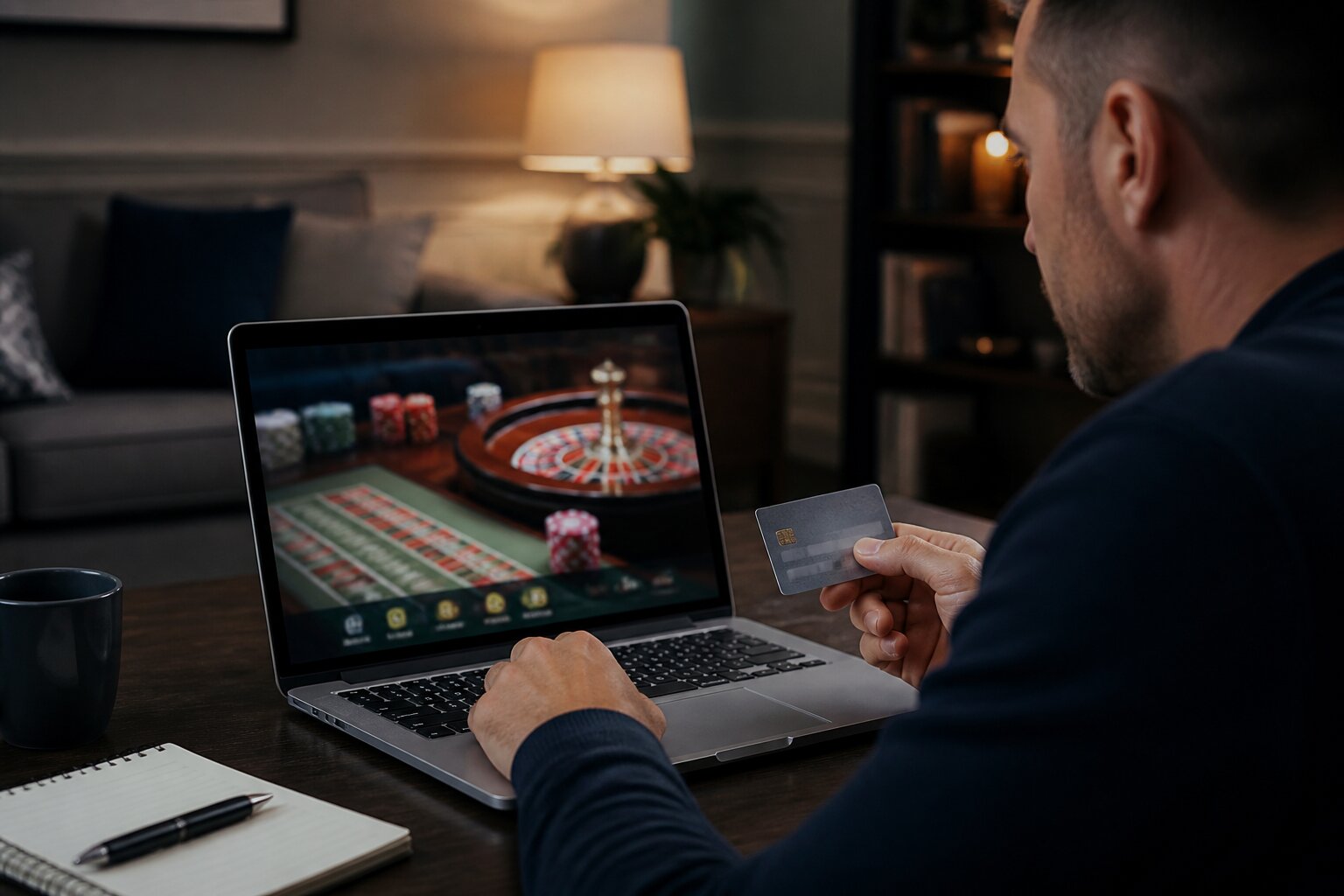
Running into payment problems when gambling online can be stressful, especially if you think a casino has taken your money unfairly. You might feel unsure what to do next or worry it’s too late to recover the money.
Chargebacks offer a formal way to ask your card provider to reverse a payment, but using them correctly matters: the process has rules and limits, particularly for gambling transactions. This guide explains when a chargeback is appropriate, what to expect, and how to present your case clearly so you protect your rights without risking unnecessary consequences.
Read on for practical, detailed explanations and examples that make the options and risks easy to understand.
What Is a Chargeback in Online Gambling?
A chargeback is a request made to your bank or card issuer to reverse a payment from your account. It exists to protect consumers when a transaction is unauthorised, duplicated, or otherwise incorrect. In the context of online casinos, chargebacks are intended for genuine payment problems—not for reversing fair, settled bets.
Typical valid scenarios include unauthorised use of your card, accidental double charges, or services that were promised but not delivered despite you following the casino’s rules. Card providers will investigate each case, weighing the evidence from both you and the operator before making a decision.
Because chargebacks can affect both your relationship with the casino and your bank, it’s important to use them only when an honest error or fraudulent activity has occurred.
Why Might You Need to File a Chargeback Against an Online Casino?
There are a few situations where a chargeback may be the appropriate course of action. The most straightforward is an unauthorised transaction: if someone used your card details without permission, a chargeback helps recover funds while the bank investigates.
Technical or processing errors are another reason. For example, a deposit might be taken twice due to a payment gateway fault, or the wrong amount could be charged. If the casino does not rectify these mistakes after you contact them, a chargeback may be necessary.
Finally, there are rare cases where a casino refuses to honour a legitimate payout or fails to provide promised services after you have met all their requirements. If the operator will not resolve the issue, the chargeback process can provide an independent review.
Before pursuing a chargeback, try to resolve the matter with the casino’s support team. Many disputes are settled quickly that way, which avoids escalation and potential complications.
Legal Rights: Can You Dispute Online Casino Payments in the UK?
In the UK, consumer protection laws and gambling regulations offer a framework for disputes. Cardholders can ask their bank to investigate transactions that appear unauthorised or erroneous. That said, losses from normal gambling activity are not grounds for a chargeback under UK law.
Licensed operators must follow rules about fair play and complaint handling, and their terms and conditions set out how payments and withdrawals are treated. If you believe those terms have been breached, supporting evidence will strengthen any case you raise with your bank.
If you’re unsure how the rules apply in your situation, contact the casino’s support for clarification and keep records of those exchanges to show you attempted an amicable resolution.
Step-by-Step Guide: How to Start a Casino Chargeback
Begin by explaining the issue to the casino’s support team and giving them a reasonable opportunity to fix it; many payment problems are quickly resolved this way. If that does not work, prepare a clear set of records showing what happened, such as transaction dates and any error messages.
Next, check your card issuer’s dispute rules and timescales—providers often set a deadline from the transaction date for chargeback requests. When you contact your bank, present the evidence you gathered and describe the steps you took to resolve the matter with the casino. The bank will then investigate, which usually involves requesting information from the operator.
Throughout this process, keep communications factual and organised. Banks look for a coherent timeline and supporting documents rather than emotional appeals. Bear in mind that a chargeback is not guaranteed; the outcome depends on the available evidence and whether the provider finds the claim valid.
What Documents and Evidence Will You Need?
Good documentation is the backbone of any successful dispute. Start with transaction records: bank or card statements showing the charge, payment confirmations from the casino, and timestamps that match the discrepancy you describe.
Include copies of any correspondence with the casino—emails, live chat transcripts, in-app messages—or screenshots that show errors, rejected withdrawals, or contradictory account information. If the issue concerns a promised payout, provide the terms under which the payout was meant to be made and any proof you met those conditions.
Keeping this material organised into a clear timeline helps the bank and, if necessary, any independent reviewer understand the sequence of events quickly. Only provide honest and accurate information; inaccuracies can harm your case.
Possible Outcomes: What Happens After a Chargeback Request?
Once a chargeback is submitted, the card provider assesses your evidence and asks the casino for its account of events. If the bank finds your claim is supported, the disputed amount may be reversed to your account and the operator may be debited, subject to the card scheme’s rules.
If the evidence is insufficient or the transaction is judged legitimate, the bank will close the case in the casino’s favour and the original charge stands. Some disputes lead to requests for further information, prolonging the process by several weeks.
Keep in mind that decisions are made on a case-by-case basis; the key factors are the quality of the evidence and whether the claim fits established grounds for reversal. Patience and clear documentation are essential while the investigation proceeds.
Risks and Consequences of Filing Chargebacks with Casinos
There are practical consequences to consider before filing a chargeback. Operators commonly suspend accounts pending investigations, and if a chargeback is judged to have been improperly applied—for example, to recover normal losses—a casino may close your account and retain any balance.
Repeated or unfounded disputes can also strain your relationship with your bank or card issuer, potentially affecting future payment services. In addition, industry networks may share information about serious or repeated misuse of chargebacks, which can make it harder to open accounts with other operators.
For these reasons, use chargebacks only for genuine transaction errors or unauthorised activity. Where possible, resolving the matter directly with the casino first usually produces the least disruptive outcome.
Tips to Avoid Payment Issues at Online Casinos
A few careful practices reduce the chance of disputes. Ensure the payment method you use is registered in your name and matches the details on your account, and keep records of deposit and withdrawal confirmations. Reading the casino’s payment and withdrawal terms helps you know what to expect and what conditions apply to bonuses or withdrawals.
Using account tools such as deposit limits and transaction alerts can help you monitor activity without needing to rely on later disputes. If you spot any unexpected charges, contact support promptly and save the responses you receive.
These habits make it easier to spot genuine problems early and provide the documentation you would need if a dispute becomes necessary.
Myths About Casino Chargebacks Explained
Several persistent misconceptions surround chargebacks. One is that they can be used to reverse fair losses; in truth, chargebacks are for errors and unauthorised transactions only. Another is that banks automatically favour the player—financial institutions must weigh evidence from both sides before reaching a decision.
People also sometimes assume a chargeback will have no impact on their casino account. In practice, filing an unjustified dispute can lead to suspensions or account closure. Understanding what chargebacks are for helps you use them responsibly and avoid unintended consequences.
These clarifications should make it clearer when a chargeback is appropriate and when alternative routes—such as continued negotiation with the casino—are better.
When Should You Seek Legal Advice?
Most payment disputes can be resolved through support channels or your bank’s complaint procedures, but complex situations occasionally arise. If large sums are involved, if you suspect criminal activity, or if a dispute remains unresolved after reasonable steps, legal advice can help you understand your options and the potential outcomes.
A solicitor can explain how consumer protection law applies to your circumstances and whether other remedies are available. This article is for general information and not a substitute for personalised legal guidance.
If in doubt about escalation, consulting a professional will give you a clearer picture of the risks and likely results based on the specifics of your case.
Frequently Asked Questions About Casino Payment Disputes
Here are concise answers to common queries to help you navigate these situations responsibly and within the rules.
Can I get my money back after losing a bet?
No. Money lost on a fair bet is not eligible for a refund or chargeback.
How long does a chargeback take to process?
Investigations can take several weeks, depending on complexity and how quickly both sides provide evidence.
Will filing a chargeback affect my casino account?
It can. Accounts may be suspended or closed if a chargeback is judged to be unjustified under the operator’s terms.
Is there a time limit for making a chargeback request?
Most card schemes expect claims within about 120 days of the transaction, but you should check your provider’s specific rules.
Can I dispute a deposit if I haven’t used my account?
Only in cases of error or unauthorised use; changing your mind after depositing is not normally grounds for a chargeback.
If you’re unsure how to proceed, contact support for guidance first; clear records and honest communication will always strengthen your position.
**The information provided in this blog is intended for educational purposes and should not be construed as betting advice or a guarantee of success. Always gamble responsibly.