
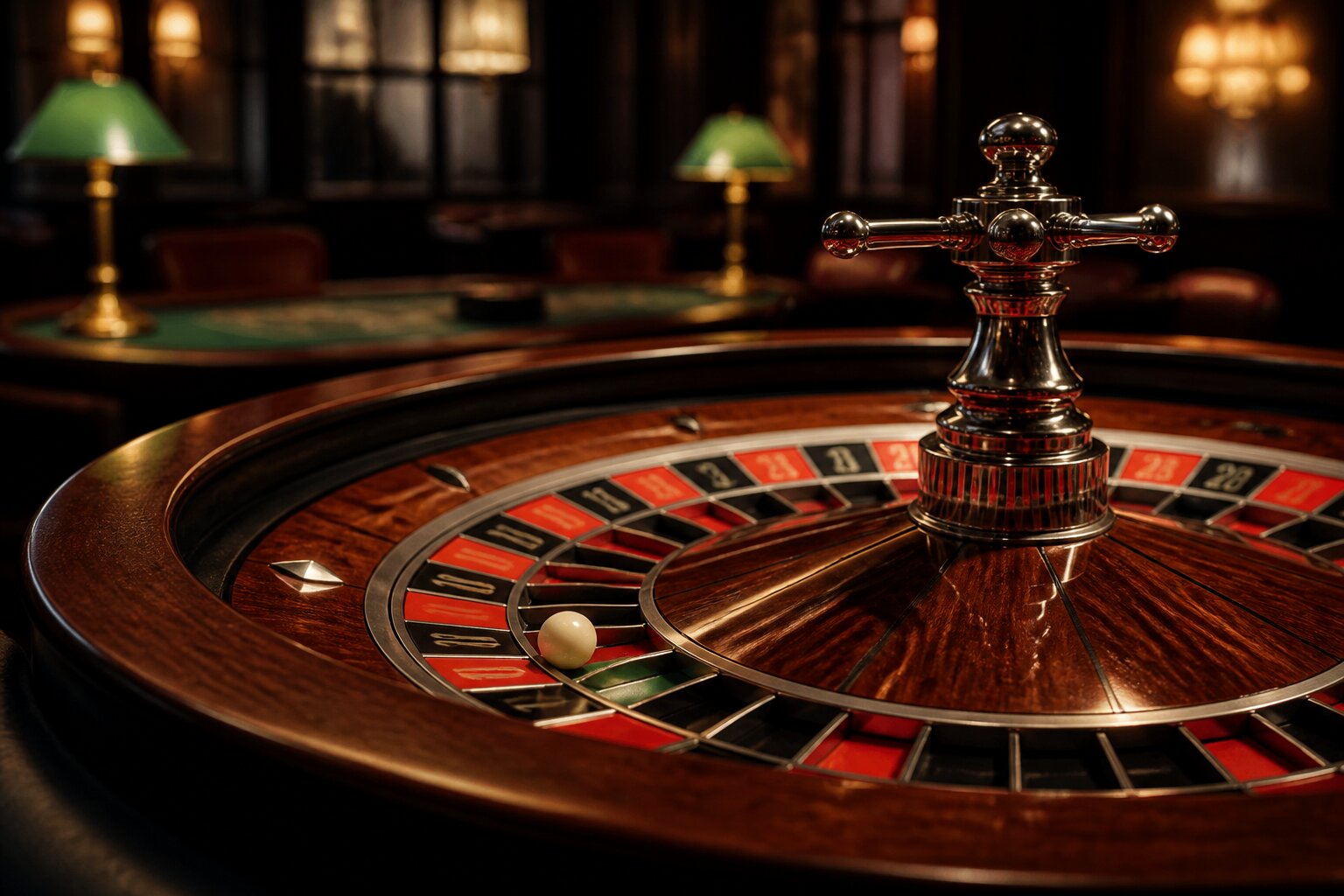
Most players focus on red or black, odd or even, or a handful of favourite numbers. But that single green zero on the wheel is often overlooked, even though it changes how the whole game plays out. Zero requires a different way of thinking: timing, an understanding of probabilities, and choices about how much of the layout to cover.
This article explains what a zero bet looks like, how the odds work in different table types, the common ways players include zero in their bets, and what zero means for other wagers when it appears. Read on to see how zero can alter both risk and reward at the table, and how to approach it with clear-headed play.
What Does Betting on Zero Involve?
Betting on zero means placing a chip directly on the green zero space on the betting layout — a straight-up number bet that covers only that one pocket. On a European wheel there is a single zero; American wheels have both zero and double zero, each occupying its own pocket and betting box.
A successful straight-up on zero pays 35 to 1, so a £1 stake returns £36 in total: the original pound plus £35 winnings. Table limits vary between venues and games, so stakes you can place on zero will depend on the specific table’s minimums and maximums.
Because a straight-up bet covers only one pocket, it carries the same probability as any other single-number wager. That low coverage is balanced by the relatively high payout, which is why understanding the underlying odds is essential before deciding how often to play zero. Next, the article looks at those odds so you can judge the appeal of a zero bet in different game variants.
Roulette Odds Explained: How Likely Is Zero to Hit?
The chance of zero depends on the wheel you’re playing. European roulette has 37 pockets — numbers 1 to 36 plus a single zero — so the probability of any given spin landing on zero is 1 in 37, about 2.70%. American roulette has 38 pockets because it includes both zero and double zero; each of those single-number outcomes has a 1 in 38 chance, roughly 2.63%.
Those percentages are the same for any single-number bet: zero, 17, or 32 all share identical odds on a single spin. The payout of 35 to 1 is lower than the true odds, and that difference is how the house maintains its advantage. In single-zero (European) roulette the built-in edge is about 2.7%, while the presence of both zero and double zero on an American wheel increases the edge to about 5.26%.
Knowing these figures helps when weighing whether to place a straight-up or to include zero within a combination bet. With that in mind, the next section considers when it might make sense to bet on zero and how table choice affects the decision.
When Is It Worth Betting on Zero?
A bet on zero can be appealing for players who enjoy high-payout, low-coverage wagers or who want to add variety to their play. The decision is shaped mainly by the type of table and by how zero fits into a broader betting pattern rather than by any mechanical method that changes the odds.
Single-zero tables are generally preferable for straight-up bets because of the smaller house edge. If the goal is to get the most favourable expected return on a single-number bet, the European-style wheel gives you a modestly better position than an American wheel with two zeros. That said, zero’s payout and its low probability mean it will be an infrequent win regardless of wheel type.
Players sometimes include zero as part of a betting mix: a straight-up for the big payout, combined with wider coverage elsewhere to keep more of the layout protected. That combination changes the feel of a session — potentially fewer frequent wins but occasional large payouts — and is a stylistic choice about risk and variance rather than a way to improve the mathematical expectation. The following section outlines the common ways to place zero-related bets so you can see how those choices look in practice.
Table Types: European vs American Roulette
The key distinction is the number of zero pockets. European wheels have one zero; American wheels have zero and double zero. This difference slightly alters probabilities and the house edge, making single-zero wheels more favourable for single-number bets like zero.
Typical Zero Bets and Example Scenarios
Players generally use one of two approaches with zero: a straight-up bet that targets only zero, or combination bets that include zero and neighbouring numbers on the layout. Each approach changes the distribution of wins and losses and suits different risk preferences.
A straight-up bet places the chip directly on zero; the single-number payout of 35 to 1 applies if zero is the outcome. For example, a £1 straight-up returns £36 in total when it hits.
Combination bets cover zero plus adjacent numbers on the betting layout and produce smaller payouts in return for broader coverage. Common variants include split bets placed on the line between zero and a neighbouring number, such as 0–1 or 0–2, which pay 17 to 1; street bets covering three numbers (for example 0–1–2) which pay 11 to 1; and in some layouts a corner bet that covers 0–1–2–3 pays 8 to 1. These options let a player balance the chance of a win against the size of the return.
How you blend straight-up and combination bets affects session rhythm: straight-ups are infrequent but large, combinations provide more regular, smaller wins. The next part explains what happens to other wagers when zero appears.
How Zero Affects the Outcome of Roulette Games
When the ball lands on zero, all payouts are resolved according to the bets that explicitly cover that pocket. Straight-up and combination bets that include zero pay according to their rules. Outside bets such as red/black, odd/even, or high/low do not include zero, so they lose when zero is the result.
Some tables offer specific rules that change how even-money outside bets are handled if zero appears. Examples include partial refunds or mechanisms that allow certain bets to remain in play for another chance, but these options are not universal and depend on the rules in force at a particular table.
Zero’s presence in the wheel design is the structural reason the casino retains a mathematical advantage on all bets. That fact underscores the importance of sensible staking decisions: use amounts you can afford to lose and treat play as entertainment rather than a way to make money. With a clear approach to stakes and an awareness of the differences between tables, zero can be a strategic element in how a player shapes a roulette session.
Play Casino Games at Late Casino
We welcome you to relax and enjoy the experience of playing at our site, where you’ll find a warm atmosphere and friendly service every step of the way. Whether you’re new or familiar with casino games, you’re always in good hands with us.
It’s easy to begin—just create your account and make a deposit, then you’re all set to explore what we have to offer. We look forward to having you with us at Late Casino.
**The information provided in this blog is intended for educational purposes and should not be construed as betting advice or a guarantee of success. Always gamble responsibly.