
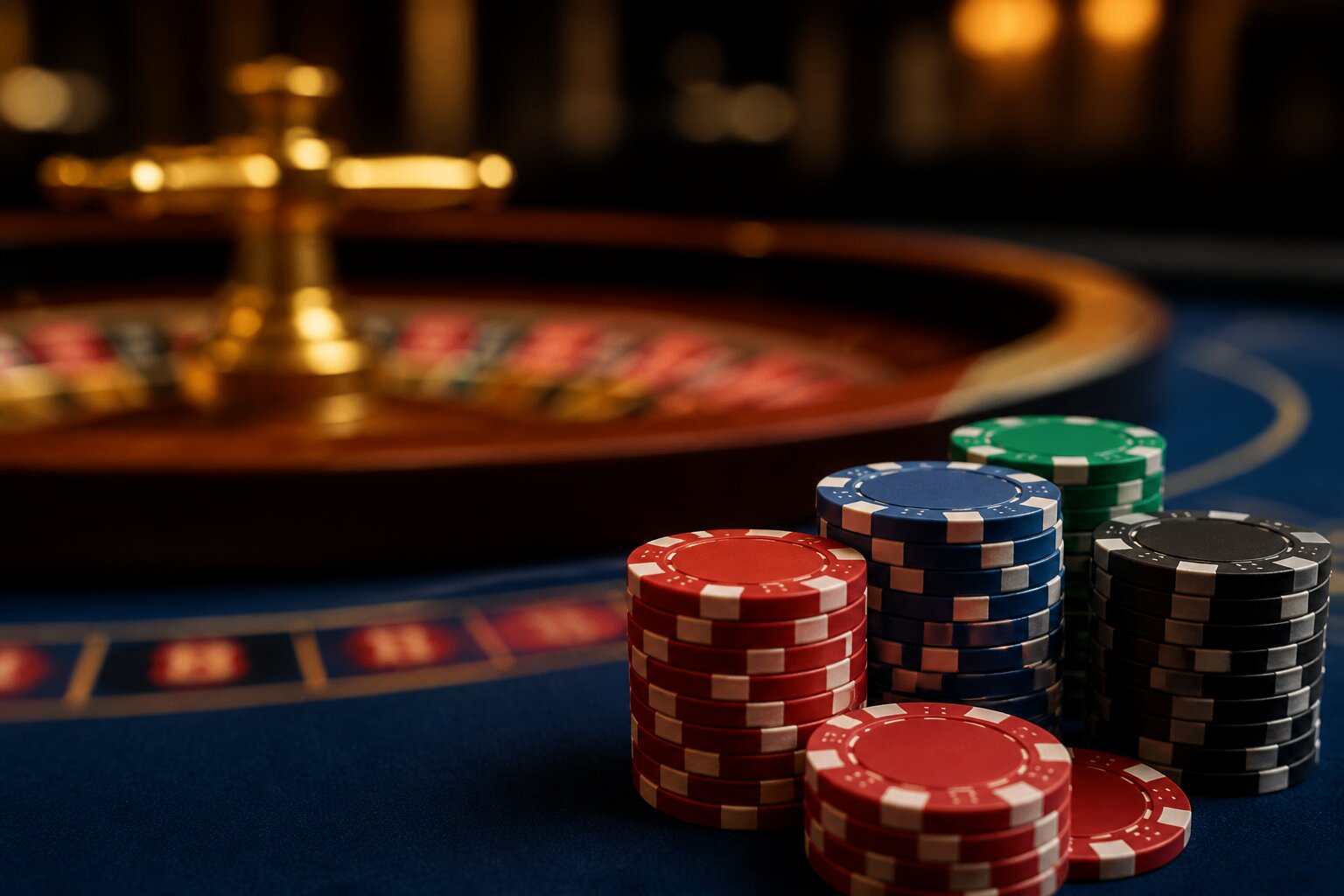
Step into the elegant world of French Roulette, where classic casino style meets rules that give the game a distinctive rhythm. This version keeps the familiar wheel but adds a few features that change how certain bets are handled.
Whether you are learning the basics or refreshing your knowledge, understanding the wheel, the table layout and the available bets will make each round clearer and more enjoyable. Read on for a practical, step-by-step guide that explains what to expect at the table and how the special French rules affect play.
Introduction to French Roulette
French Roulette is a long-established casino game originating in 18th century France. Its appeal comes from a traditional presentation and a small set of rules that alter how some bets are resolved, creating a slightly different feel compared with other roulette variants.
You can find French Roulette in both live and digital casino environments. The version you choose will determine how the wheel is spun and how results are displayed, but the basic betting options and table layout remain consistent.
The next section explains the key differences that give French Roulette its character, starting with the wheel and special rules that influence even-money bets.
What Makes French Roulette Different From Other Variants?
French Roulette is marked by three practical differences: a single zero on the wheel, French terminology on the layout, and the presence of the La Partage and En Prison rules for even-money bets. The single zero mirrors European roulette but contrasts with American roulette, which has both single and double zero pockets.
La Partage means that when the ball lands on zero, half of an even-money bet is returned to the player. En Prison leaves that bet on the table for a further spin; if it wins on the next spin, the stake is returned. Both rules lower the effective house advantage on even-money wagers and change the risk-reward balance for these bets.
The table also carries the racetrack and call bets that map specific wheel sections, using French names for the groups of numbers. These elements combine to produce an experience that is both traditional and strategically interesting. Next, we’ll look closely at how the wheel and table are arranged.
Understanding the French Roulette Wheel Layout
The wheel contains 37 pockets: numbers 1 to 36 plus a single green zero. The 36 numbered pockets are split into 18 red and 18 black, and their sequence around the rim is fixed to ensure balanced spacing between colours and values.
The betting layout mirrors the wheel but is arranged in rows and columns on the table cloth, with additional areas around the edge for outside bets and a racetrack-shaped area for call bets. The racetrack places wheel sections in an order that reflects the physical wheel rather than the numbered layout, which is useful when staking Voisins du Zéro, Tiers du Cylindre or Orphelins.
Knowing how numbers sit on the wheel helps when considering these special bets; the following section explains the game’s rules and how that layout affects which bets pay out.
Main Rules of French Roulette Explained
Players place chips on numbered pockets, lines and special areas to indicate their chosen bets. Inside bets target individual numbers or small groups, while outside bets cover broader categories like colour, parity or dozens. Table limits are clearly displayed and determine the minimum and maximum stake accepted.
When the dealer spins the wheel and releases the ball, the winning pocket is settled and payouts follow the posted odds. If zero appears and you have an even-money bet, La Partage returns half your stake immediately, whereas En Prison holds the stake for one more spin; if the bet wins on that spin, the stake is returned. These rules reduce the long-term house advantage on those bets.
The next section looks at the common bet types in more detail, including the special call bets that make French Roulette distinct.
Popular Bets in French Roulette
French Roulette presents a clear range of betting choices, suitable for different risk preferences. Bets vary from precise single-number calls to broader wagers covering groups of numbers.
Inside bets focus on small targets: a straight bet on a single number, a split between two adjacent numbers, a street covering three numbers in sequence, a corner for four, and a line that covers six numbers. These bets offer higher payouts but lower probability of success.
Outside bets sit around the numbered grid and include red or black, odd or even, and high (19–36) or low (1–18), plus column and dozen bets that each cover twelve numbers. These give lower payouts but a higher chance of winning.
Call bets are placed on the racetrack and relate directly to the wheel’s physical sequence. Voisins du Zéro covers the neighbourhood of zero, Tiers du Cylindre covers the opposite third of the wheel, and Orphelins covers the remaining numbers. These options are suited to players who prefer betting on wheel sectors rather than table positions. Understanding these bets makes it easier to select a mix that aligns with personal preferences and table limits, which we’ll see applied when you play.
How To Play French Roulette Step By Step
Begin by choosing a table with limits that match your budget and then take a seat, real or virtual. Select a chip value and place it on the chosen area of the layout to represent your bet; single numbers, combinations and racetrack bets are all available. When you are satisfied, the dealer or the game will lock in bets before spinning the wheel.
The wheel is spun and the ball eventually rests in a numbered pocket. The dealer or software declares the result and pays winning bets according to the published odds, while losing bets are collected. If zero appears and you had an even-money bet, La Partage or En Prison will apply as specified at the table.
Play proceeds in rounds, with each spin independent of previous ones. With that practical process in mind, the next section explains how payouts and the house edge relate to these bet types.
House Edge and Payouts in French Roulette
Payouts are fixed by bet type: a straight-up on one number pays 35 to 1; a split pays 17 to 1; a street 11 to 1; a corner 8 to 1; and a line 5 to 1. Outside bets return 1 to 1. These figures show the trade-off between probability and reward across bet types.
The single zero already reduces the casino’s advantage compared with a double-zero wheel. With La Partage or En Prison on even-money bets, the effective house edge for those wagers falls from about 2.7% to roughly 1.35%. Other bets retain the standard edge associated with a single-zero wheel. Understanding these percentages helps set expectations about long-term play and informs which bets might suit a player’s preferences.
Next, the article addresses common misunderstandings about the game so readers can separate fact from fiction.
Common Myths About French Roulette
A frequent myth is that certain numbers become more or less likely because of recent results. In reality, outcomes do not depend on previous spins; each spin is governed by the wheel’s mechanics or, in digital tables, a tested random number generator.
Another misconception is that betting systems, such as progressive doubling after losses, can change the underlying odds or guarantee a profit. These systems do not alter the house edge and can increase exposure to larger losses without improving expected outcomes.
Some players look for patterns in results and expect streaks to continue; however, the design of roulette prevents reliable prediction. Recognising these limits keeps expectations realistic and helps players focus on choosing bets they enjoy. The following glossary clarifies terminology used throughout the game for quick reference.
Glossary of French Roulette Terms
This glossary explains common terms used at the French table to help you follow announcements and read the layout confidently:
- La Partage: half of an even-money stake is returned when zero is spun.
- En Prison: an even-money bet is held over for the next spin if zero appears; if it wins then, the stake is returned.
- Voisins du Zéro: a call bet covering the numbers neighbouring zero on the wheel.
- Tiers du Cylindre: a call bet covering the third of the wheel opposite zero.
- Orphelins: a call bet covering the numbers not included in Voisins or Tiers.
- Racetrack: the oval betting area used for placing call bets that correspond to wheel positions.
- Straight Up, Split, Corner, Column and Dozen: standard terms for inside and outside bets that indicate how many numbers are covered and how chips should be placed on the layout.
Familiarity with these terms makes betting quicker and less confusing at the table. The final section answers practical questions about playing and where to find support if needed.
What is the main difference between French Roulette and other versions?
The main differences are the single zero, the presence of La Partage and En Prison rules for even-money bets, and the use of French names and the racetrack for special call bets. These elements change how some bets are settled and give the game its particular character.
Can I play French Roulette online in the UK?
Yes, many licensed UK casinos provide French Roulette in both live-dealer and RNG formats. Choose a regulated site for verified fairness and consumer protections.
Are outcomes in French Roulette random?
Every spin is determined by either the physical motion of the wheel or a tested random number generator in digital tables. Each round is independent from the previous ones.
What are the common bet types in French Roulette?
Common bets include inside bets like straight-up and split; outside bets such as red/black or odd/even; and call bets like Voisins du Zéro, Tiers du Cylindre and Orphelins placed on the racetrack.
Where can I get help with gambling limits?
Most licensed casinos provide tools to set deposit and loss limits, cooling-off periods and self-exclusion options. Independent organisations such as GamCare and BeGambleAware offer additional advice and support.
With the wheel layout, rules and bet types explained, you should now have a clear picture of how French Roulette plays and what to expect at the table. Whether you prefer precise single-number calls or broader outside bets, the French format offers options that suit a range of approaches and budgets.
**The information provided in this blog is intended for educational purposes and should not be construed as betting advice or a guarantee of success. Always gamble responsibly.