
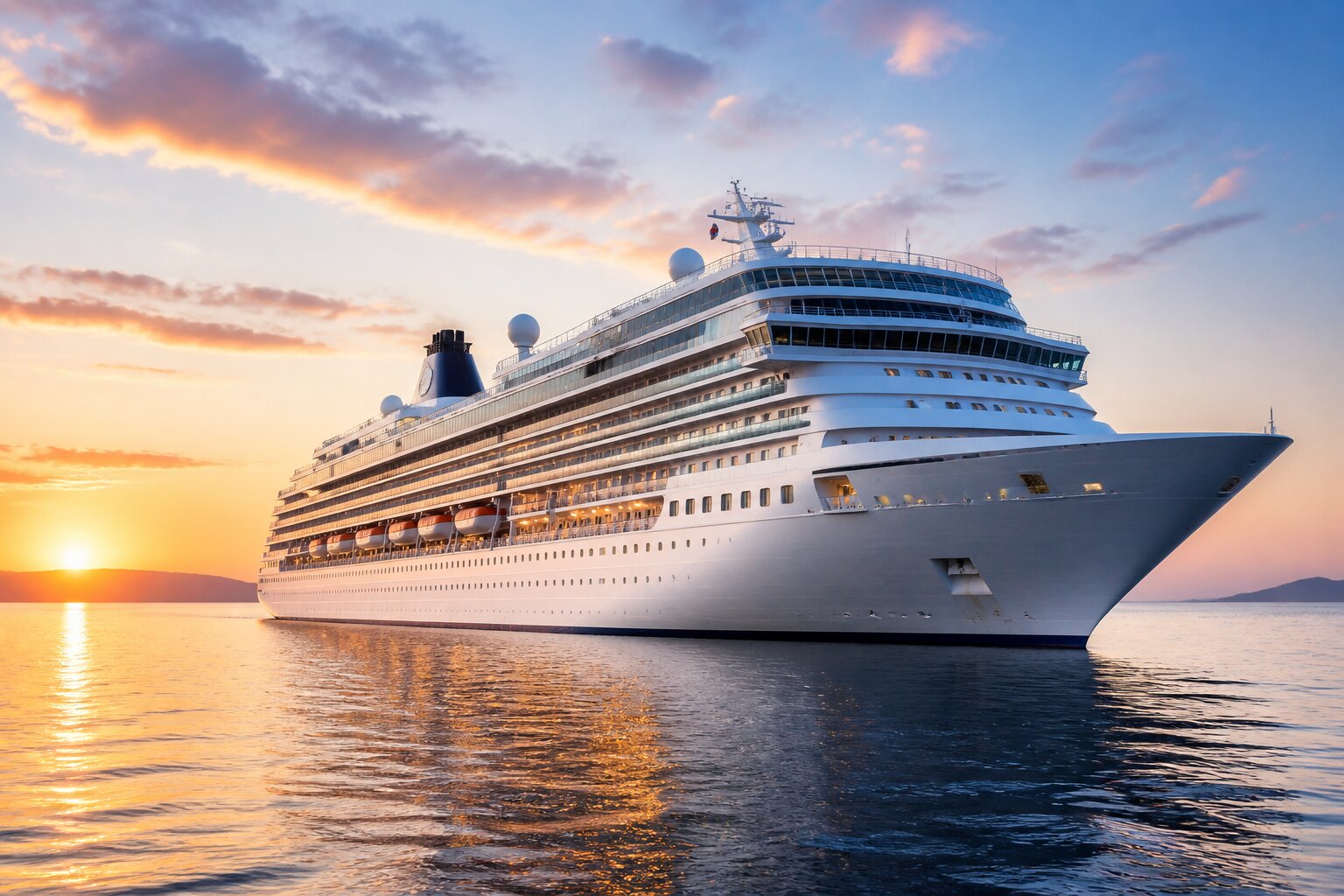
Ever wondered whether you can genuinely cash in while playing slots or blackjack on a cruise? It’s a common question among holidaymakers stepping into an onboard casino for the first time.
With the excitement of a voyage, it helps to know how payouts, odds and payouts rates work at sea compared with those onshore. This guide explains what to expect so you can make informed choices before you play.
How Do Cruise Ship Casinos Operate?
Cruise ship casinos are usually governed by the laws of the country where the ship is registered, known as the flag state. That means the oversight, consumer protections and complaint processes differ from those applied in the UK. Regulations, licensing standards and enforcement practices vary between jurisdictions, so the level of transparency and player protection you see on a cruise can be different from what you’d find in UK-regulated venues.
Games on board follow the rules set by equipment manufacturers and by the operator under that flag state’s regulations. That affects everything from game variants and payout structures to age limits and dispute procedures. Because those rules can differ, public display of payout rates or detailed house-edge information is not always guaranteed.
If you plan to play, check the casino’s terms and conditions and any posted policies. Knowing how the casino is regulated and what procedures apply will help you manage expectations and any issues that might arise. Next, we’ll look at how winnings are actually paid out on board.
Are Cruise Ship Casino Winnings Paid in Cash or On-Board Credit?
Most cruise casinos pay small winnings in cash at the cashier’s desk, while larger sums may be handled differently. Depending on the operator, substantial wins might be paid by cheque, transferred to your on-board account as credit, or arranged for a bank transfer after the cruise. Some ships also let you convert winnings into on-board credit to spend on restaurants, excursions or other services, though there can be limits on cashing that credit out.
Identification is commonly required for larger payouts, and daily payout caps may apply. Because procedures vary, it’s sensible to clarify the payout options and any restrictions before you start playing. Having that information makes it easier to decide whether to accept credit or request a cash payment, and it sets out what to expect should you win a significant amount. The next section explains how payout rates themselves typically compare with those ashore.
What Are Typical Payout Rates on Cruise Ship Casino Games?
Return to Player (RTP) — the percentage of wagered money a game returns to players over time — can differ on cruise ships. Slot RTPs on board commonly sit in the mid-80s to low-90s percentage range, while UK land-based and regulated online slots often show higher RTPs, typically in the mid-90s. Table games also vary: rule changes such as different blackjack payouts or extra zeros on roulette wheels will alter the house edge and thus the effective RTP for players.
Operators are not always obliged to publish RTPs on board, so transparency varies. When RTPs are not clearly displayed, players lack the same level of information available in many UK venues. With that in mind, the next section compares how specific games often differ between shipboard and land-based or online offerings.
Comparing Cruise Ship Casino Odds to Land-Based and Online Casinos
Differences in regulation and game rules on cruise ships often translate into different odds for players compared with UK land-based and online casinos. UK-regulated venues operate under strict rules designed to ensure fairness and transparency, including clearer information on payouts and established complaint routes. At sea, variations in rules and a lower degree of mandatory disclosure can make comparisons less straightforward.
Slot Machine Payouts: Cruise Ships vs Land-Based Casinos
Slot machines on cruise ships typically show lower RTPs than many land-based and online options. Where cruise slots might offer RTPs in the mid-80s to low-90s, UK-regulated venues frequently provide higher percentages, often in the mid-90s or above. This difference matters over longer playing sessions because it affects the proportion of stakes returned to players overall.
Table Game Odds: Roulette, Blackjack, Poker & More
Table game rules on cruises can meaningfully affect odds. Roulette wheels with two zeros increase the house edge compared with single-zero wheels commonly used in the UK. Blackjack payouts and rule variations — for example, paying 6:5 for a natural rather than 3:2 — will raise the house advantage. Poker variants and casino-hosted side games may also use non-standard formats that change the expected returns for players. Knowing the specific rules used on your ship helps you compare the likely odds with those you’d encounter ashore.
If you need clarity on how different rules affect returns, the next section covers tax and reporting considerations that may apply after a big win.
Do Casino Winnings on Cruise Ships Need to Be Declared for Tax?
UK residents are not required to pay income tax on gambling winnings, whether those originate onshore or at sea. That said, carrying or transferring large sums can trigger customs declarations or anti-money-laundering checks when returning to the UK. Different countries have their own reporting thresholds and financial controls, so moving substantial winnings between jurisdictions may require documentation.
If you live or pay tax in another country, local rules could differ and may impose reporting or taxation obligations. For significant sums, professional financial advice is advisable to ensure compliance with gift, income or capital rules in relevant jurisdictions. With the practicalities of claiming and moving money covered, the next section dispels some common misunderstandings about what happens on board.
Common Myths About Cruise Ship Casino Payouts
Several persistent myths circulate about cruise ship casinos. One is that cruise casinos consistently offer markedly better or worse odds than land casinos; in reality, it depends on each game’s rules and the operator’s policies. Another belief is that operators can change game settings dynamically to influence outcomes during a voyage; established testing and certification processes (where present) make such manipulation implausible and detectable.
Specific examples help make this concrete: a double-zero roulette wheel typically carries a higher house edge than a single-zero wheel, and altered blackjack payouts will increase the casino’s advantage. Misconceptions often come from not checking exact game rules or assuming consistency across different ships and operators. Understanding the rules in front of you prevents surprises and points towards smarter choices at the table. With myths addressed, the following section explains what to expect when collecting a payout.
How to Collect Your Winnings on a Cruise Ship
Collecting winnings usually begins at the casino cashier, where small payouts are paid in cash and identity checks are routine for larger amounts. Significant wins may be handled via cheque, transferred as on-board credit, or paid out after further verification and paperwork. Daily or per-game payout limits may apply, and the cruise operator’s terms will set out any additional requirements.
If you expect to transport large sums home, be aware of customs declarations and any country-specific reporting you must follow. For very large amounts, arrangements such as bank transfers after the voyage are common, and seeking independent financial advice can help you manage taxation and reporting obligations. Having a clear understanding of the operator’s payout procedures makes the process smoother and reduces the chance of unexpected delays. Next, we examine the broader question of fairness and oversight.
Can You Trust Cruise Ship Casino Fairness?
Fairness on cruise ship casinos depends largely on the regulatory framework and the operator’s compliance with testing and certification standards. Many ships work with recognised testing bodies and maintain equipment according to manufacturer and regulator requirements, which supports fairness. However, because oversight is tied to the flag state rather than UK regulation, the depth and transparency of checks can vary.
Game software and mechanical devices operate with fixed odds established by design and regulatory rules, so sudden in-voyage changes would be highly visible to auditors where testing regimes exist. The most reliable way to assess fairness is to check whether the operator publishes testing or certification information and to read the casino’s terms on dispute resolution. If those details are absent or unclear, expect less assurance and adjust your approach accordingly. Understanding who sets those rules leads naturally to the next section on regulation.
Who Regulates Cruise Ship Casinos?
Regulation for cruise ship casinos rests with the flag state — the country where the vessel is registered — and its relevant maritime or gambling authority. Common registries include jurisdictions with established maritime legal frameworks, each setting licensing standards, minimum technical requirements and operational rules for onboard gambling.
These regulatory frameworks determine age limits, licensing criteria, and the basic requirements for how casinos operate. The level of consumer protection, transparency and complaint-handling varies with each authority’s rules and enforcement capacity. Checking which regulator oversees a ship and whether the operator publishes evidence of independent testing gives an indication of the protections you can expect. With that context, the final section ties these points together and offers a concise takeaway.
Final Thoughts on Winning and Cashing Out at Sea
Casinos on cruise ships can offer entertaining gaming experiences, but they operate within regulatory frameworks that are often different from those in the UK. Payout rates and game rules vary by operator and flag state, and transparency about RTPs or dispute procedures may be more limited. Knowing how payouts are handled, which rules apply to specific games, and what documentation you may need for large sums helps set realistic expectations.
Treat casino play on a cruise as entertainment, not a source of income, and make decisions based on the stated rules and published policies of the operator. Confirm payout procedures before you play, keep records if you receive a large payment, and check any customs or reporting obligations when you return home. With sensible preparation and clear information, you can enjoy the onboard casino experience with confidence.
**The information provided in this blog is intended for educational purposes and should not be construed as betting advice or a guarantee of success. Always gamble responsibly.